Clogged Drains Solutions in Scottsdale, AZ
Valley wide Service: Call today!
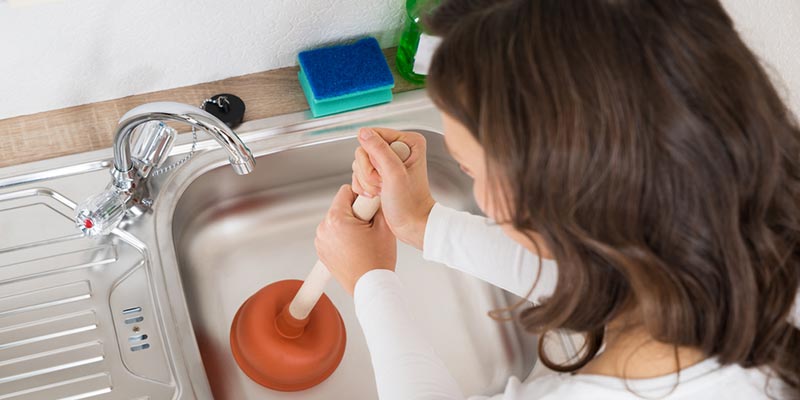
Signs of a Clogged Drain
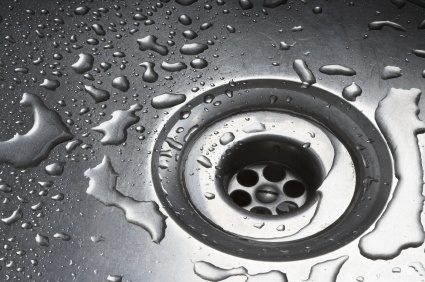
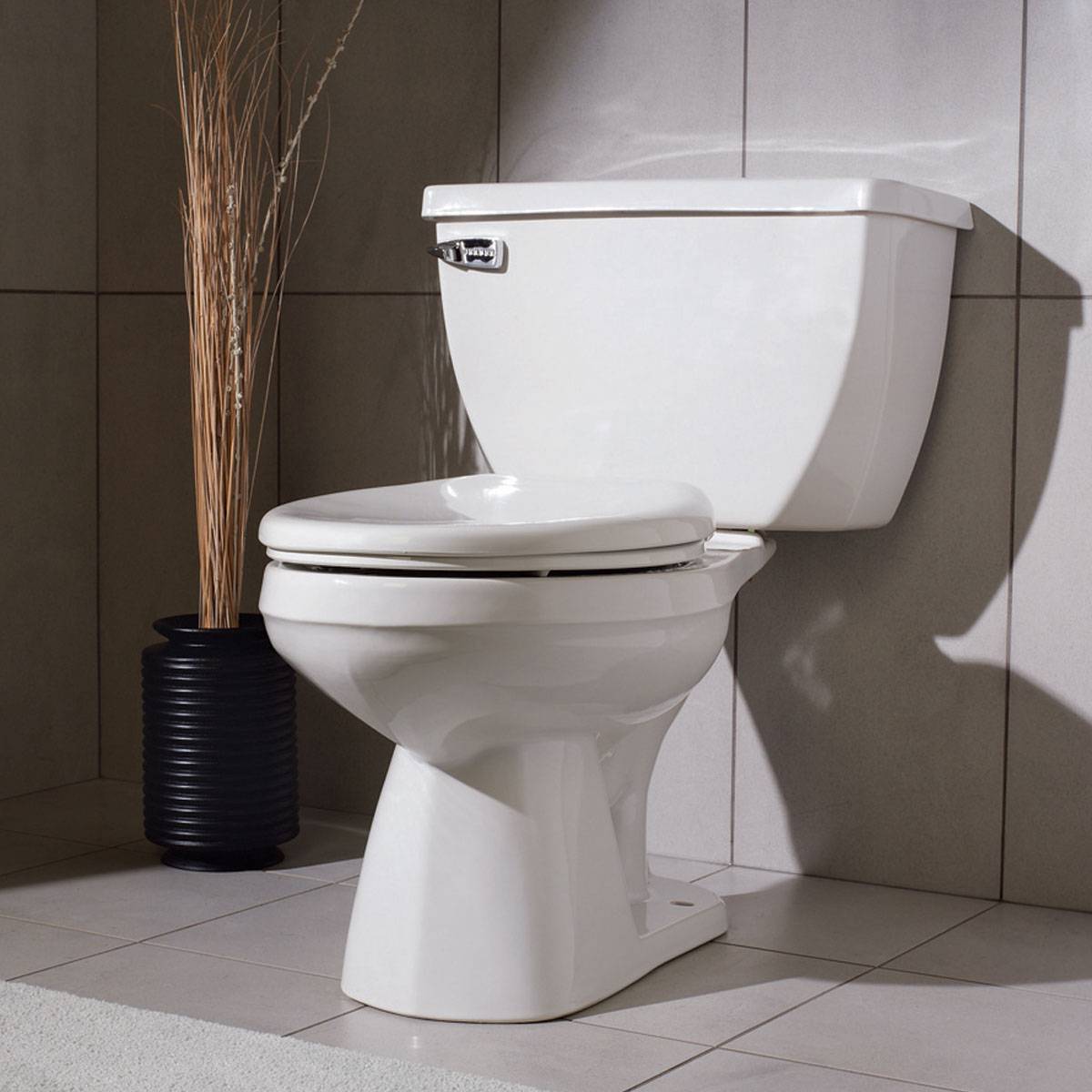
To get to the cause, you first have to realize and detect the problem. There are several signs that might indicate you have a clog, or that one may be developing:
1. When water or sewage backs up into a toilet, sink, or bathtub (anywhere inside or outside, especially in low spots, such as 1st floor toilets and showers).
2. When the drain makes a gurgling noise as other plumbing functions take place. Under normal circumstances, when the water flows unimpeded through the pipe, it shouldn’t make a lot of noise other than maybe a smooth flowing sound. However, when there’s a clog in the sewer or water pipe, water hits it and releases oxygen, causing bubbles that make noise and even release smelly gases.
3. When the shower, tub or sink drains slowly — for example, if your feet are submerged during the shower.
4. When there’s poor pressure in parts or all of the system, which could be noticeable in the sink or shower and probably produce a weak toilet flush.
5. If the utilities that use water react to each other, such as the toilet making noise when the washer stops or starts.
6. When there’s a foul odor present, it sometimes means there’s a wad of goop or something accumulating within the drain. As you can imagine, whatever is causing the blockage probably doesn’t have a pleasant smell.
7. When water backs up in drains as other utilities are used.
8. When you run water in the sink closest to the toilet for a few minutes and it produces bubbles in the toilet, this can indicate that the problem is in the sewer main and not the toilet itself.
9. If the system becomes overwhelmed easily — for example, when only one utility at a time can drain well.
10. When water gathers around the floor drain in a basement, or there’s saturated soil or pooling water in the yard.
The Valley’s Clogged Drain Experts
There are a variety of reasons you may need to call a plumber, and a clogged drain is among one of the biggest. There are some jobs that store-bought drain cleaners just can’t—and shouldn’t—handle as it can do more harm to your drain and sewer line than good. To effectively unclog a drain, you want to contact the top-notch team here at Allegiance Water Services. We can handle any drain cleaning task that comes our way, no matter how big or small.
Remember, anything that fits down a drain will clog it, as any homeowner with a child under the age of 5 likely knows all too well. You’d be amazed at what some of our plumbers have found in residential bathrooms: anything from toys, books, stuffed animals, and even clothing. The bathroom isn’t the only place that is prone to clogged drains. Food is a major offender to kitchen sink drains. The good news is that we have the tools and expertise to clean out any clogged drain or sewer line.
Have a drain issue?
Contact us today for any of your clogged drain needs. We offer camera inspections, rooter service, and more.
Common Causes of Clogged Drains
Sewer and water drainage systems in a house are configured a little bit like a tree and its branches. There’s a main line that’s usually biggest in diameter, and sublines run off it that are typically a bit smaller in size. While the toilet is probably the most common place where clogs originate, they can start, build and disrupt function in and from any location in the system.
A blockage can build and lodge itself anywhere, but analysis will help narrow down the possibilities. You’ll be able to see what’s happening and what exactly the problem affects. If some part of the water or sewer main is clogged, the issue likely affects the whole household or building. If something is stuck in one of the sublines, whatever is happening will more than likely be isolated to one area or section of your home.
Tree Roots
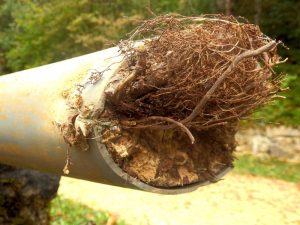
Tree roots are widely recognized as the number one cause of blockage and clogged drains in water and sewer mains. While it’s more common to find tree roots invading the pipes of older homes, the roots can find their way into systems of any age. Some experts say the first sign of tree root invasion into the sewer or water line is a gurgling sound.
As living things, the tree roots seek moisture and are more or less naturally drawn to the water in waste and sanitary sewer pipes, especially if one has a crack or springs some other kind of leak.
If you live in a wooded area, or where there are many trees nearby, it’s important to be on the lookout for any tree root invasion. Some people decide to have a video inspection done every few years, since the cost for the service is dramatically lower than addressing a neglected issue.
“Flushable” wipes
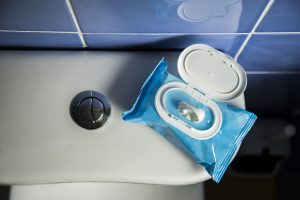 There are many relatively new bathroom products on the market today that are advertised as a better cleaning experience when compared to traditional toilet paper. These products’ labels indicate they are safe for sewers and septic systems, but, the truth is they don’t break down like they should and can stay in your drain pipe for an excessively long time. This has led to clogged pipes and jammed pumps in sewer systems across the country. Flushable wipes can be a detriment to the system. Some cities and other entities responsible for wastewater processing and management have begun to discourage people from using the supposedly flushable wipes.
The City of Phoenix released a press release in April of 2020 stating, “Despite what the packaging says Flushable Wipes are NOT Flushable! Disposing of wipes and other material in the toilet clogs the pumps and lift stations that transport water to the treatment plants.”
The truth about thick toilet paper, paper towels, facial tissue, light cardboard and other paper products is that they’re not made to be flushed down the toilet. Home and commercial plumbing systems have the capacity to accept and process water, human waste and biodegradable toilet paper. That’s it.
Feminine hygiene
Feminine hygiene products and baby diapers pose a danger to plumbing pipes because they do not biodegrade and contain cotton and other fibers that have tremendous capacity to create clogged drains and attract other clogging agents. Neither are biodegradable, and both pose a threat to public and private systems alike. The sewer system contains microorganisms that break down the human waste, but they do not disintegrate anything but that — even when pad wrappers and tampon applicators may claim to be “flushable.”
Fat, oil and grease
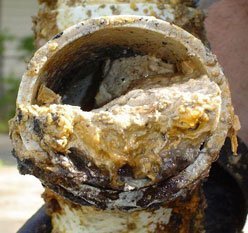
Fat, oil and grease are enemies of plumbing and all its accessories. Another increasingly publicized movement is one to educate consumers about the benefits of keeping oily substances from going down the drain, where they can build up and cause clogged drains. Employees in a commercial establishment must have specialized training on what does and does not belong in the drain and public system, but people in many private homes could benefit from the same knowledge.
We like to think that most of us know better than to pour a pan of bacon grease down the drain or garbage disposal, but we may not think of some of the other things that contain fat, oil or grease. For examples: trimmings from a steak or other meat, butter, vegetable oil, chocolate, cream and more.
It’s easy to think that water just washes everything along, but fats are sticky, binding substances that are prone to causing buildups and eventually clogged drains. The trash can is a far better place to dispose of fat, oil or grease. Bacon grease and many other fats and oils can be left to cool and will solidify or congeal for easy cleanup. Another preferred practice is to pour the oil or grease into a disposable container and then toss it in the trash.
Hair
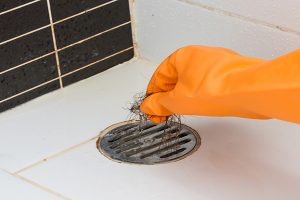 Hair can accumulate to the point where it creates slow flow or total blockage. We can’t help that hair comes out of our heads naturally, but we can try to protect the drain as much as possible with small screens and good practices, such as sweeping hair out of sinks and cleaning the hair brushes over the trash can.
When you see hair accumulate on the drain, or maybe hanging from it, use needle-nose pliers or work carefully with long tweezers to pull the hair out regularly, as opposed to letting it sit or wash down the drain. There are also a number of drain screens available that keep hair from going down the drain and make removal easier.
Frequently Asked Questions
Allegiance Water Services provides dependable clogged drain help for homeowners in Phoenix, Scottsdale, and the surrounding area, using safe methods and long-term solutions. Our licensed plumbers pair advanced tools with practical tips to keep your drains clear and protected.
How Do I Fix a Clogged Drain?
Start with simple tools. A plunger often clears minor clogs if you create a tight seal and use steady pressure. If water still drains slowly, try a plastic drain snake to remove nearby debris. Avoid harsh chemicals. When basic methods fail, a professional plumber can inspect the line with a drain camera to help prevent future issues.
What Causes a Drain to Clog?
Everyday habits and small items collect inside pipes. Different drains collect different debris, yet all restrict water flow when the buildup stays in place:
- Bathroom Products – Hair, soap scum, and grooming products collect in tubs, showers, and sinks, then stick to pipe walls over time.
- Kitchen Waste – Food scraps, fats, oils, and grease cool inside the drain and form sticky layers that slow the flow of water.
- Foreign Objects – Small toys, floss, cotton swabs, and hygiene items sit in pipe bends and catch other debris.
- Aging or Shifted Pipes – Older pipes, slight misalignments, or roots narrow openings, so buildup latches on more easily.
What Is the Best Clogged Drain Solution?
The best solution depends on where the clog sits and what caused it. A plunger and simple drain snake often handle shallow blockages near the opening. For deeper or recurring clogs, professional drain cleaning is more reliable. Trained plumbers use specialized augers and cameras to clear the full line and protect your plumbing.
How Can I Unclog a Drain Naturally?
Natural methods help with typical slow drains or light buildup. They work best as early fixes and routine maintenance rather than for severe clogs:
- Boiling Water Rinse – Carefully pour hot water in stages down the drain to loosen light grease and soap film.
- Baking Soda and Vinegar – Add baking soda, follow with vinegar, let it sit, then rinse with warm water.
- Drain Screens and Cleaning – Use mesh screens to catch hair and food, then clean them often.
- Regular Hot Water Flushes – Run hot tap water after washing dishes or showering to help move residue through the pipes.
When Should I Call a Plumber for a Clogged Drain?
Some clogs clear quickly, while others indicate broader issues in your plumbing. Calling at the right time protects pipes and helps avoid water damage:
- Repeated or Stubborn Clogs – Drains that clog again soon after you clear them may have deeper buildup or may need repair.
- Multiple Fixtures Backing Up – When toilets, tubs, and sinks all slow or back up, the main line may be affected.
- Standing Water or Overflow – Water that will not drain or starts to overflow signals a serious blockage.
- Unusual Noises or Odors – Gurgling sounds or strong odors often hint at trapped debris or vent issues.
Why Does My Drain Keep Clogging?
Recurring clogs often come from habits, pipe design, and partial cleanings. In many cases, the drain never fully clears, so buildup remains just out of sight:
- Partial or Short-Term Fixes – Quick fixes that only open a narrow path leave material behind that catches new debris.
- Ongoing Disposal Habits – Rinsing grease, wipes, or hair into the drain feeds the blockage over time.
- Tree Roots and Aging Lines – Roots and older materials can narrow lines and invite frequent clogs until repaired.
How Do Professionals Clear Clogged Drains?
Our Licensed plumbers use specialized tools to clear clogs fully and safely. They may start with a drain snake or auger sized for the line. For tougher or deeper clogs, they rely on motorized rooter equipment and inspection cameras. This approach removes heavy buildup and supports efficient performance.
Are Chemical Drain Cleaners Safe for Pipes?
Many chemical cleaners use strong ingredients that work quickly yet can be harsh on pipes and fixtures with repeated use. These products also enter the local water system and often clear only a narrow opening through the clog. Physical cleaning methods and professional pipe replacement services can provide a safer, longer-lasting result.
Can a Clogged Drain Damage My Pipes?
A clogged drain can stress plumbing when left in place. Trapped water puts pressure on joints and fittings, especially during repeated backups. Over time, standing water and debris can wear on pipe materials and connections. Addressing clogs early keeps water moving and supports the long-term health of your home’s plumbing. Call our team today!
Have a drain issue?
Contact us today for any of your clogged drain needs. We offer camera inspections, rooter service, and more.


Valley Wide Service